Профессиональный измельчитель стекла и бутылок сокращает объем отходов напитков до 90%, мгновенно снижая транспортные расходы. Поскольку стекло обладает высокой абразивностью, а ПЭТ-пластик невероятно прочный, предприятия по переработке должны использовать двухвальные измельчители, оснащенные лезвиями из закаленной легированной стали и высокомоментными низкоскоростными двигателями, чтобы обеспечить непрерывную, безопасную и беспыльную работу.
Двойная проблема переработки отходов напитков
Глобальное стремление к циклической экономике оказывает огромное давление на предприятия по переработке отходов, требуя от них быстрой обработки использованной тары из-под напитков. Однако смешанные отходы от напитков представляют собой уникальную механическую проблему. Стекло чрезвычайно хрупкое, но при этом очень абразивное, в то время как ПЭТ-бутылки обладают высокой прочностью и на 90% состоят из воздуха. Для эффективной переработки этих материалов требуется специализированное оборудование. Использование стандартных, легких дробилок часто приводит к разрушению лезвий, опасному выбросу пыли и постоянным поломкам двигателей. Для прибыльного масштабирования производства предприятиям необходимо инвестировать в оборудование промышленного класса.
измельчитель стекла и бутылок
Разработан специально для работы в суровых условиях.
Преодоление абразивной стойкости стекла с помощью передовой металлургии.
Стекло — один из самых абразивных материалов в процессе переработки. При обработке на некачественном оборудовании содержащийся в стекле диоксид кремния действует как наждачная бумага, разрушая стандартные лезвия из углеродистой стали за считанные недели.
Для обеспечения долгосрочной надежности и низкой общей стоимости владения (TCO) необходим профессиональный подход.
промышленная машина для измельчения
Необходимо использовать высокопрочную двухвальную технологию. В этих машинах используются прецизионно обработанные лезвия, выкованные из термообработанной износостойкой легированной стали. Вместо высокоскоростных ударов, которые генерируют опасные осколки стекла и токсичную кремнеземную пыль, эти усовершенствованные измельчители работают по принципу низкой скорости и высокого крутящего момента. Они физически сжимают, измельчают и стягивают стекло вниз, обеспечивая чистое, безопасное и контролируемое измельчение материала.
Измельчение ПЭТ-пластика для максимизации плотности полезной нагрузки
В то время как стекло разрушает лезвия, пластиковые бутылки снижают рентабельность логистики. Перевозка несжатых ПЭТ-бутылок фактически означает, что вы платите непомерные тарифы за транспортировку пустого воздуха.
Мощный измельчитель без труда разрезает прочный пластик, превращая громоздкие бутылки в мелкие однородные хлопья. Такое уменьшение объема до 90% позволяет операторам максимально увеличить допустимый вес груза в каждом контейнере. Независимо от того, используете ли вы пластиковые хлопья для внутренней продажи или экспортируете их зарубежным производителям, достижение максимальной плотности — это самый быстрый способ ускорить возврат инвестиций (ROI).
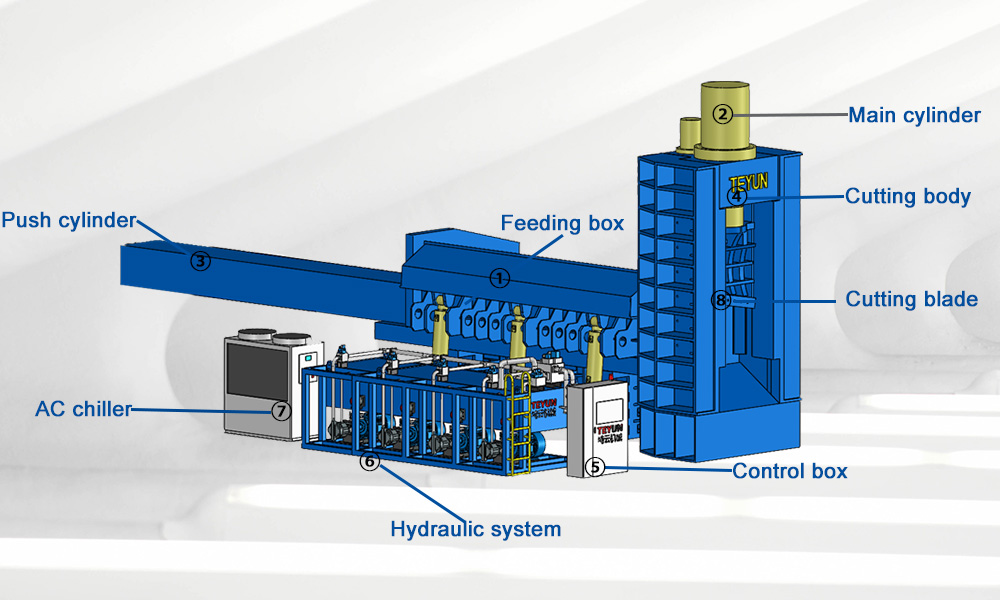
Приоритетное внимание к безопасности и доверию в производственной деятельности.
В условиях ужесточения правил техники безопасности во всем мире руководители предприятий должны уделять первостепенное внимание оборудованию, защищающему их сотрудников. Современные системы измельчения включают в себя полностью закрытые загрузочные бункеры для предотвращения обратного выброса материала, автоматическую защиту от перегрузки, которая реверсирует лезвия для устранения заторов, и усовершенствованные уплотнения подшипников, предотвращающие попадание абразивной стеклянной пыли в критически важные приводные системы. Инвестируя в высокотехнологичные решения для переработки отходов, операторы не только увеличивают свою ежедневную производительность, но и создают более безопасный, соответствующий нормативным требованиям и высокодоходный бизнес.

 English
 français
 español
 العربية
 日本語
日本語 Tiếng Việt
 中文
中文


 Адрес : Mingjue Industry Park, Lishui District, Nanjing City, Jiangsu Province



 Поддерживается сеть IPv6